
A list of all Wineries in Japan
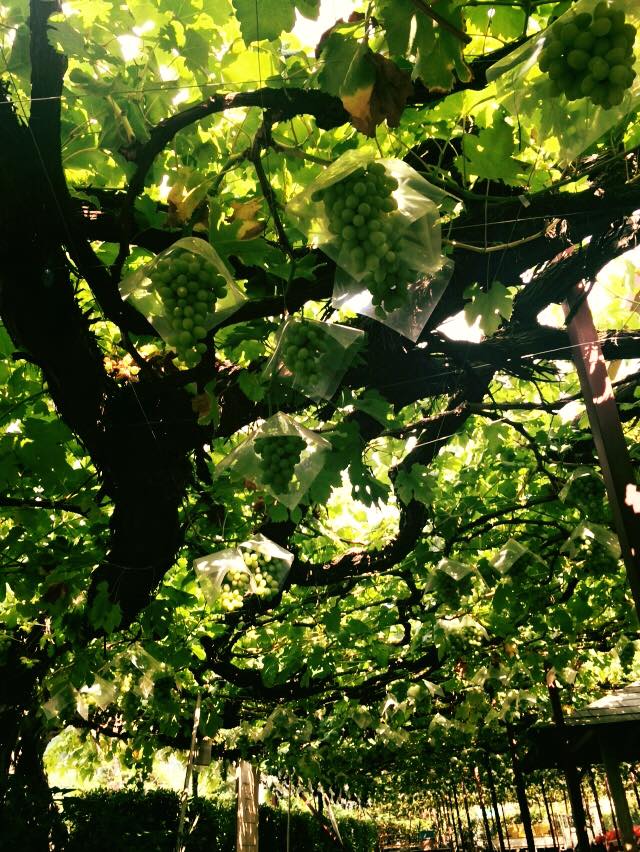
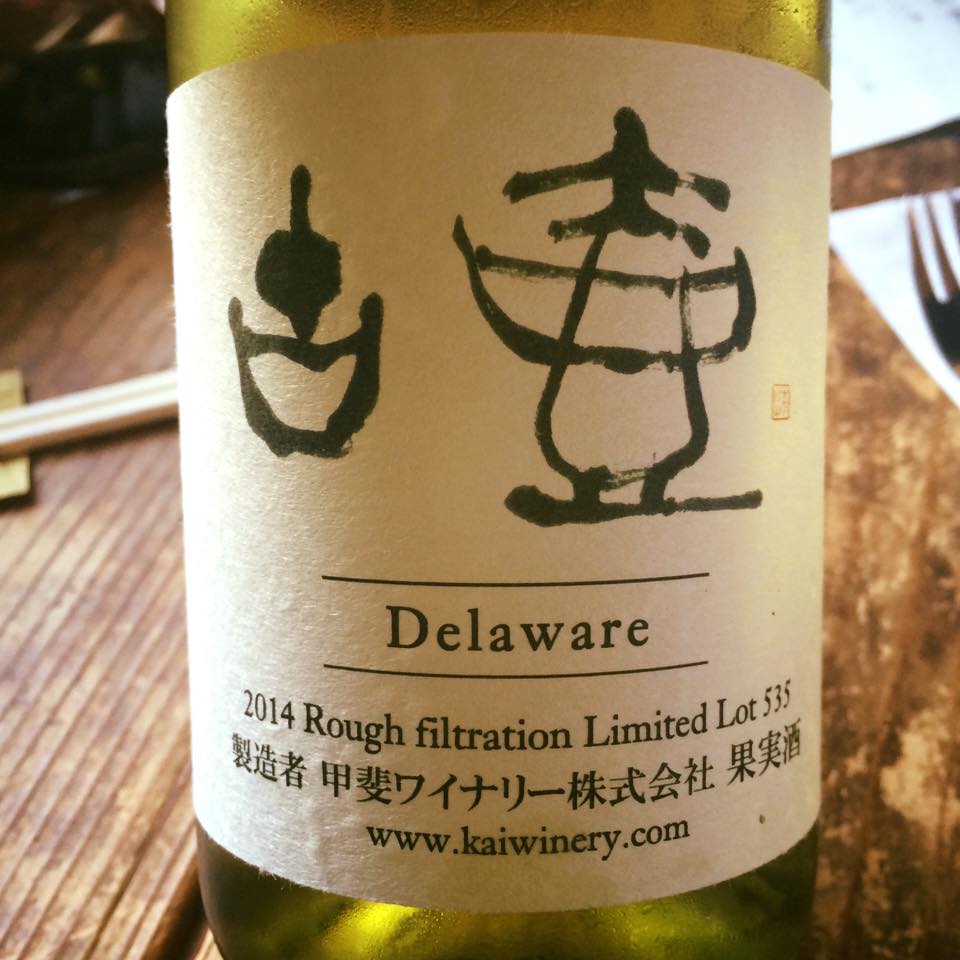
Labeling rules were changed in 2018 so that only wines made from domestically grown grapes can be called “Japanese wine.” There are already wines on the market labeled as containing 100% Yamanashi grapes, too. Japan currently has over 250 wineries, from Hokkaidō to Kyūshū.
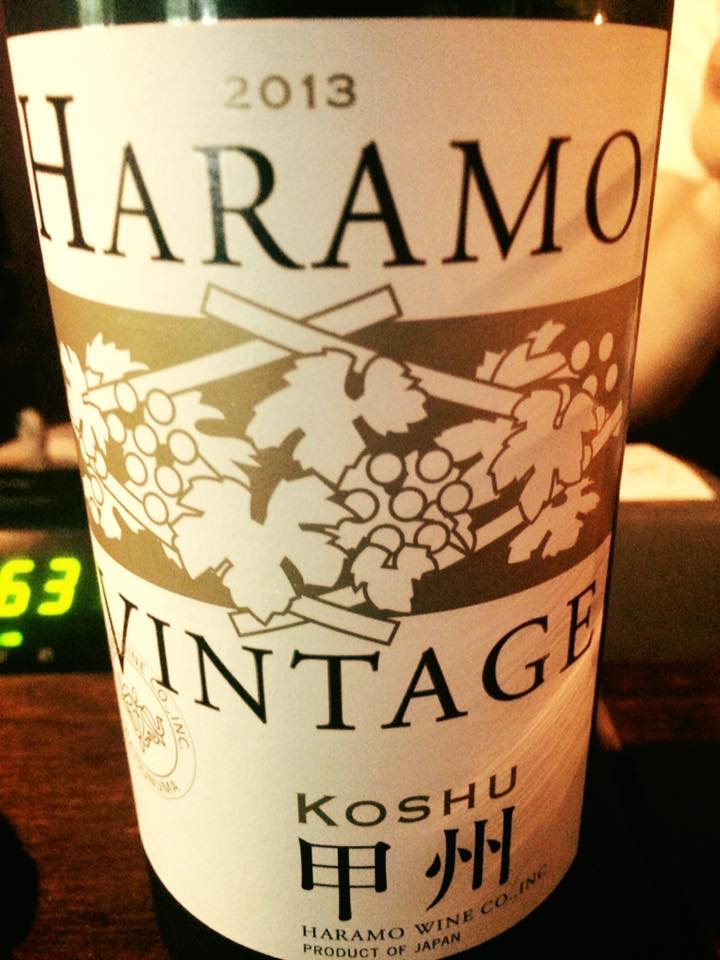
There are many wineries in Japan located close to Tokyo but they are not easily accessible by train and the best way to visit is by car. The main regions for wines in Japan are Yamanashi, Nagano, Yamagata and Hokkaido. Due to the cooler climate in Japan, white grapes are mainly grown, including the Koshu grape, native to Japan. Red wines are limited to Pinot Noir and Merlot which have a shortening ripening period and able to fully ripen in Japan.
A few of my favourite wines and wineries are listed below:
- Katsunuma winery in Yamanashi, recommend the ‘Katsunma Jozu’ wine made from Koshu white wine grapes.
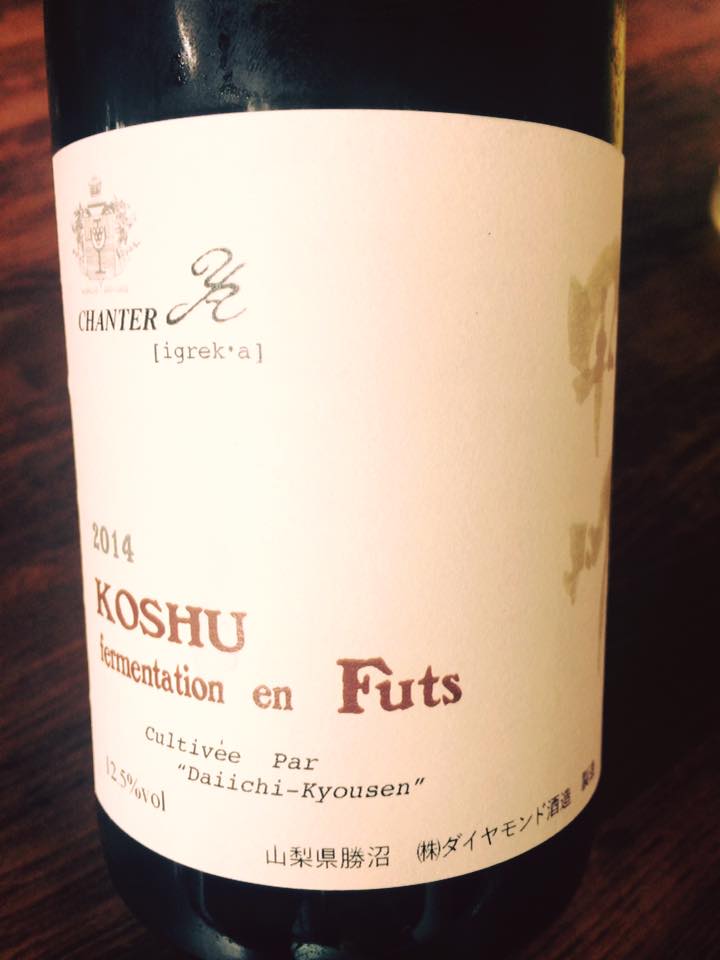
- Diamond winery in Katsunuma, make a great barrel fermented Koshu wine, giving the wine added complexity (yeasty and bread aromas) and from time aged in the barrel.
- Marafuji winery in Yamanashi make a good Chardonnay
- Obuse winery Domaine Sogga in Nagono, produce a great Chardonnay wine.
- Mie Ikeno in Yamanashi produce a great Chardonnay wine
- Takahata in Yamagata produce a good Chardonnay wine.
- Villa D’est in Yamanashi produce a good Chardonnay wine
- Kizan in Yamanshi make a lovely sparkling wine.
Natural, Organic and BioDynamic wine in Japan
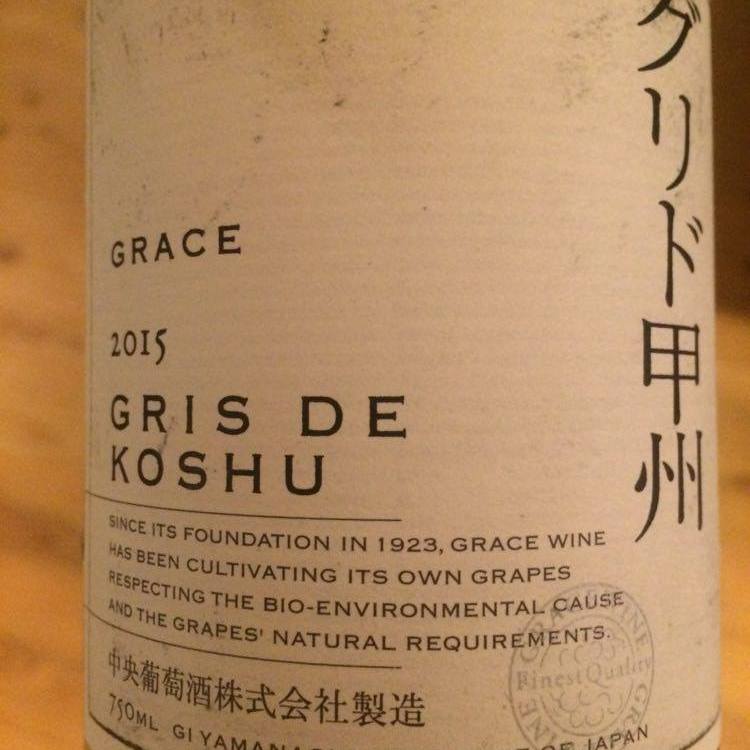



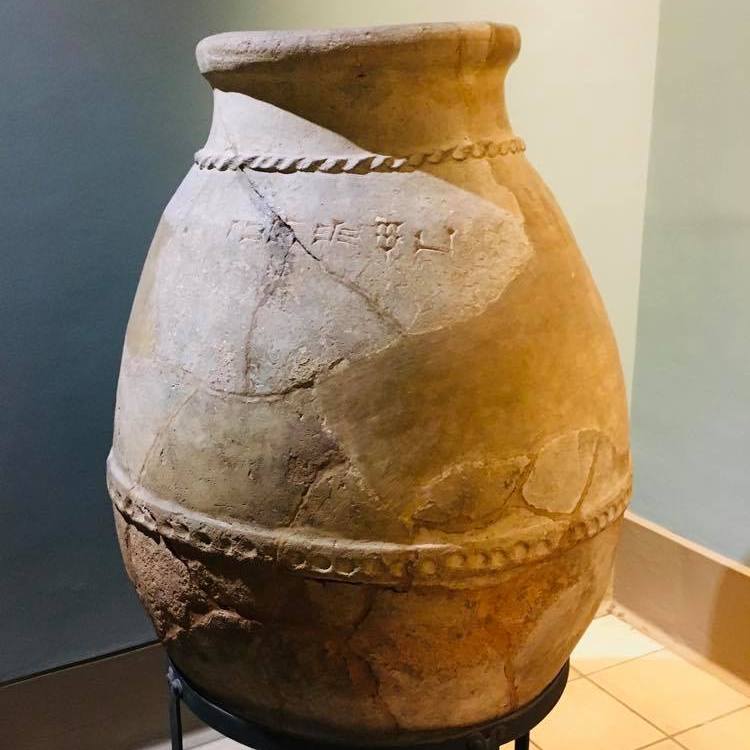
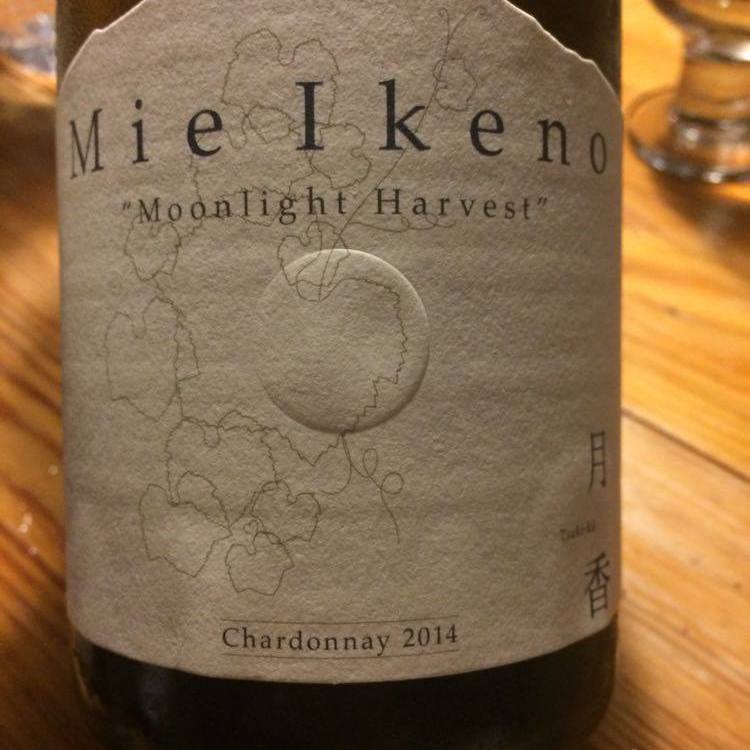
Japan has a fond affinity with Natural, Organic and Biodynamic wines. It seems to fit in well with the Japanese philosophy of minimalism and with the farmers spirit (of which there are many in Japan) of working with nature and looking after the land. In Kamakura, the vast majority of bars & restaurants often only serve these styles of wine. These new styles of Wine (Natural wine was officially recognised under it’s own designation ‘Vin Méthode Nature‘ in France, in early 2020), are modern and innovative.
Orange Wine
The term orange wines was first coined in 2004, and describes wines made from white grapes that have been fermented with their skins (skin contact wines) – as if they were red wines. Orange wines date back to Georgia, at least 6,000 years, with wine fermented in amphorae made of clay (qvevris). The technique of skin-fermenting white grapes has its roots in Georgia and Central Europe (Slovenia, Croatia and Northern Italy) and these regions still make some exceptional wines. While many producers of Orange wine overlap with Natural wine to grow the best grapes, Orange wine is a specific winemaking technique while Natural wine is a much broader philosophy. The degree of colour depends on the grape variety, nature of the vintage, length of maceration and quality of extraction. Wine styles range from elegant and complex to full-bodied and tannic. Japan is also producing some good Orange wines with some recommended producers listed here.
 Wine Kamakura